 © Lightmill Media
Logistics of Shooting on Location for Video Production

1st October, 2024
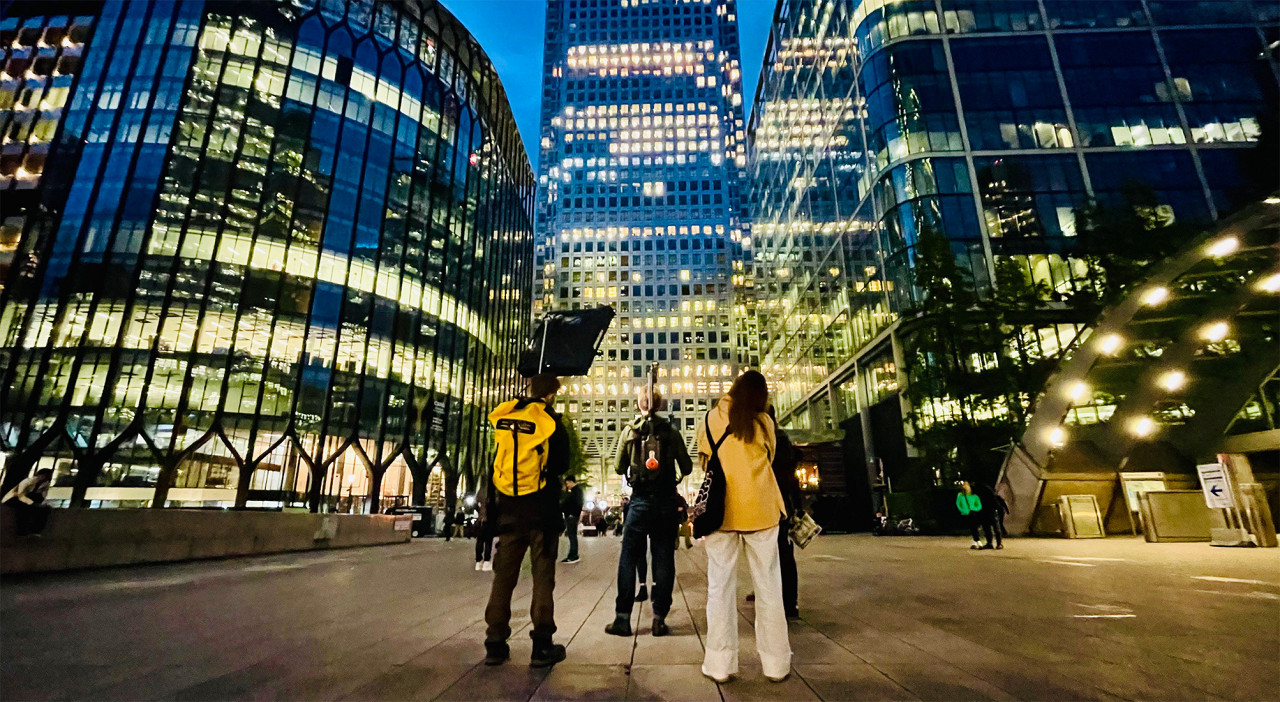
Shooting on location is a key element in video production that can significantly enhance the visual storytelling of any project. Whether you’re capturing the beauty of a natural landscape or the bustling energy of an urban environment, on-location shoots bring authenticity and depth to your work.
However, these benefits come with a unique set of logistical challenges. From planning and scouting to permits and transportation, a successful on-location shoot requires careful preparation and adaptability.
Location Scouting: Finding the Perfect Spot
The first step in shooting on location is finding the right place that fits the creative vision of the project. Location scouting involves:
Matching the location to the script or storyboard: The location must align with the tone and aesthetic of the story. For example, a rural farm scene may require a vastly different setting than a modern cityscape.
Evaluating logistics: Consider factors like accessibility, proximity to the crew, and whether it provides necessary amenities like electricity, bathrooms, or parking. If the location is remote, think about how challenging it will be to transport gear, food, and personnel.
Environmental conditions: Take note of weather, lighting conditions, and potential environmental hazards. A location that looks ideal on a sunny day could be problematic if it's prone to rain or high winds.
Tip: Use tools like Google Earth or location databases to scout preliminary options before committing to a physical visit.
Permits and Legal Requirements
One of the most important (and often overlooked) aspects of video production on location is securing the necessary permits. Every location comes with its own set of legal and bureaucratic requirements.
Public spaces: Shooting in public spaces often requires permits from local authorities. Be sure to check with city offices, parks departments, or other governmental bodies to avoid fines or legal issues.
Private property: When filming on private property, obtaining written permission from the owner is crucial. Make sure all agreements are formalised in a contract that outlines usage, fees, and liability terms.
Insurance: Many locations require video production insurance, which protects both the property owner and the production company in case of accidents or damages during the shoot.
Tip: Begin the permit application process well in advance. Some permits can take weeks or even months to obtain, depending on the jurisdiction.
Transportation and Equipment Management
Once the location is confirmed, the next major logistical hurdle is transporting the crew, cast, and equipment to the site.
Gear transport: Depending on the size of your video production, you may need trucks or vans to move heavy cameras, lights, audio equipment, and props. Make sure that the location has suitable loading zones and nearby parking for larger vehicles.
Crew and cast transport: For distant locations, consider whether you’ll need to rent vans or buses for the team. For remote areas, ensure that the crew is aware of how to reach the location, especially if there is limited cellular service or unclear road signage.
Backup gear: On-location shoots are unpredictable. Having backup equipment—extra batteries, cables, and lights—can save time and prevent interruptions.
Tip: Designate a logistics coordinator to manage transportation schedules and ensure that all equipment arrives safely and on time.
Weather and Environmental Challenges
© Lightmill Media
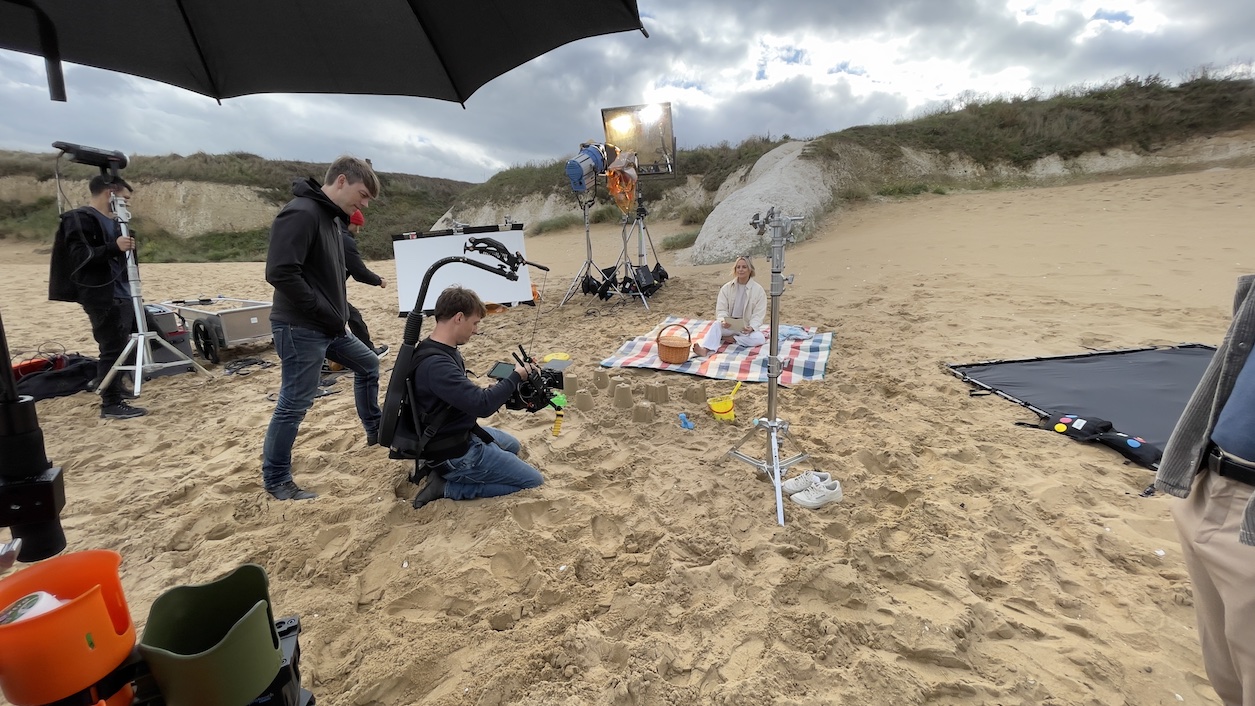
Mother Nature can be both your greatest ally and your biggest obstacle. Outdoor shoots are particularly vulnerable to unpredictable weather conditions.
Plan for contingencies: Always have a backup plan in case of rain, snow, or excessive heat. This could include alternate shooting dates or indoor locations.
Portable shelters: Tents or canopies can help protect equipment and crew from the elements. Bring tarps and waterproof cases for expensive gear like cameras and lights.
Extreme conditions: In particularly hot or cold environments, ensure that the crew and cast have the proper attire, hydration, and warming or cooling stations.
Power, Connectivity, and Other Infrastructure
Not every location will have the infrastructure needed for a smooth video production.
Power: In remote or outdoor locations, power sources may be limited or nonexistent. Portable generators, power inverters, or battery-operated lights and cameras can be lifesavers.
Connectivity: If the location lacks reliable cell service or internet, communication between crew members can become difficult. Walkie-talkies or offline communication tools should be part of your kit.
Facilities: For long shoots, you’ll need to consider restroom availability, seating areas, and places for the crew and cast to rest. In remote areas, portable toilets and seating setups may be necessary.
Tip: Do a site visit to assess the power situation and connectivity challenges well before the shoot date.
Catering and Crew Welfare
© Lightmill Media
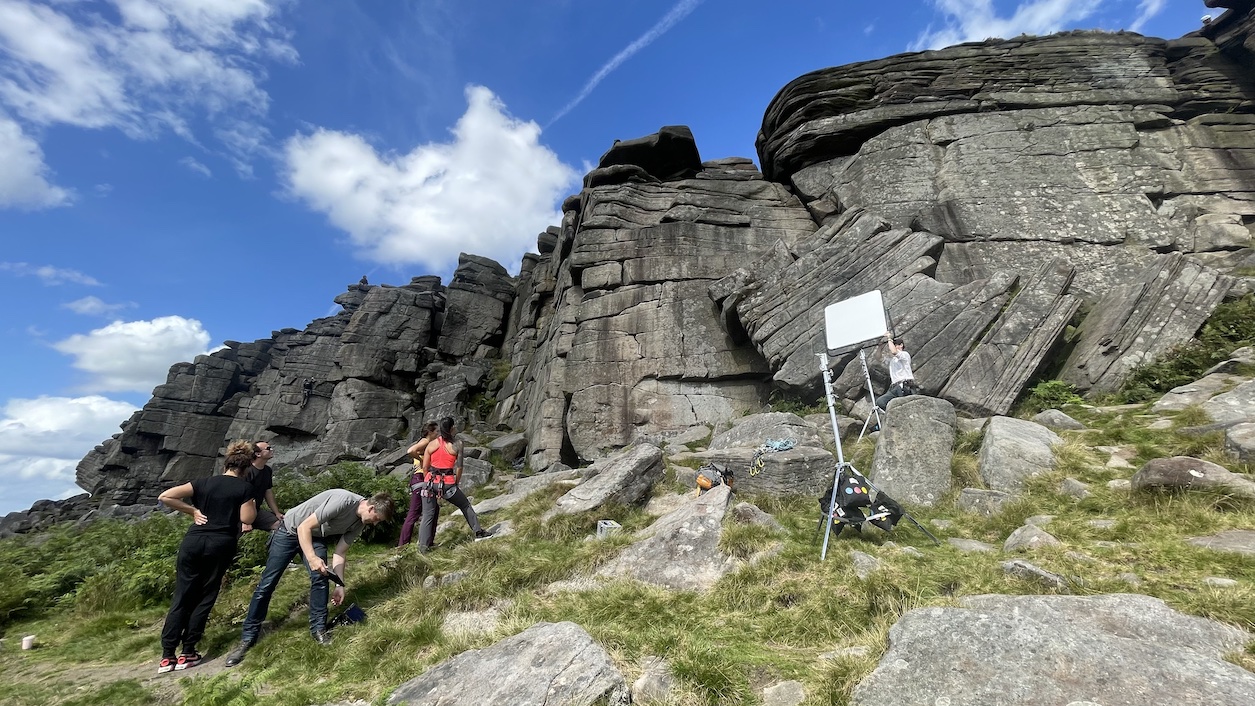
Keeping the crew and cast well-fed and hydrated is essential, especially during long days on set.
Catering options: Depending on the location, there may not be restaurants or catering services nearby. Bringing in your own catering, food trucks, or meal delivery services can help keep everyone energised.
Rest areas: Provide shaded or sheltered areas for breaks, especially in extreme weather. Chairs, tables, and hydration stations should be readily available.
Local considerations: If you’re shooting in an unfamiliar area, research local food preferences, dietary restrictions, and available services.
Tip: Always have extra snacks, water, and emergency supplies on hand. Unexpected delays are common in on-location shoots.
Sound Challenges
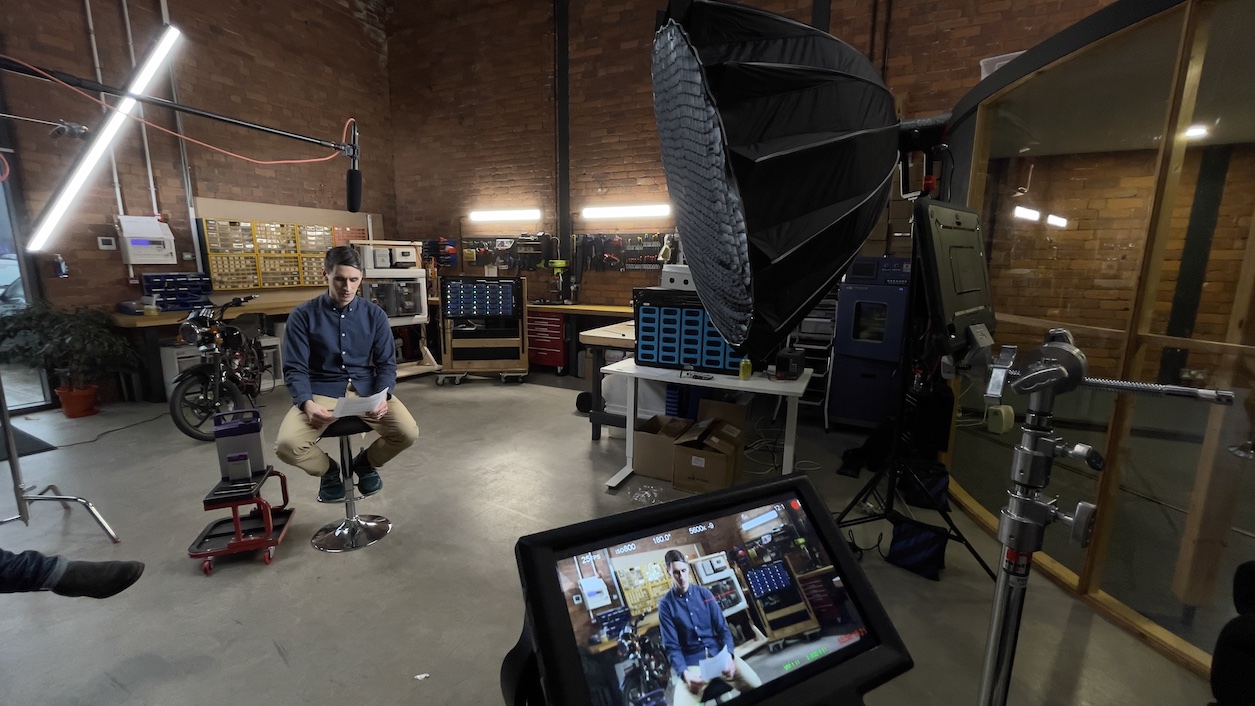
Location sound recording is often more complex than in a controlled studio environment. Wind, traffic, and ambient noise can all impact the quality of your audio.
Soundproofing solutions: In noisy environments, portable sound blankets or windshields for microphones can help reduce interference.
Plan for ADR: In particularly noisy locations, recording clean dialogue may be impossible. Be prepared for post-production audio replacement (ADR) to correct any issues.
Natural sound integration: On the positive side, on-location audio can add texture to your production. Ambient sounds like birds, wind, or city noise can enhance the atmosphere if recorded properly.
Tip: Always have a dedicated sound team monitoring audio levels throughout the shoot. They can flag any problems in real time.
Emergency Planning
Safety should always be a top priority with any video production. Whether dealing with hazardous terrain, unpredictable weather, or health concerns, having an emergency plan in place is essential.
First aid and safety gear: Make sure you have a well-stocked first-aid kit on-site and trained personnel who know how to handle common injuries or health issues.
Emergency contacts: Identify the nearest hospital or medical facility and share emergency contact information with all crew members.
Safety briefings: Hold a safety meeting before the shoot begins to go over any potential risks specific to the location, such as wildlife, slippery terrain, or falling debris.
Tip: If shooting in a remote area, have a satellite phone or emergency beacon in case of critical communication issues.
Conclusion: A Balancing Act of Creativity and Logistics
Shooting on location can elevate the production values of your project, adding realism, depth, and a sense of place that is difficult to replicate on a soundstage. However, the logistics of pulling off a successful location shoot require careful planning, resource management, and the ability to adapt to unforeseen challenges. From scouting and permits to transportation and sound, every aspect of an on-location shoot needs to be meticulously managed to ensure a smooth, efficient, and creatively fulfilling video production.
By preparing for the unexpected and being flexible in your approach, you can create stunning, on-location visuals that bring your story to life while keeping the process manageable and enjoyable for everyone involved.
