 © Lightmill Media 2024
The 'Cinematic' Interview

15th January, 2024
In the diverse tapestry of video production, interviews form the heart of numerous genres - from gripping documentaries to authentic brand stories. The essence of a truly impactful interview lies in its cinematic quality, a challenging yet attainable feat. Achieving this involves meticulously harnessing the potential of any location and mastering the subtleties of lighting, transforming an ordinary interview into a visually stunning narrative
Part 1 - The Location Scout
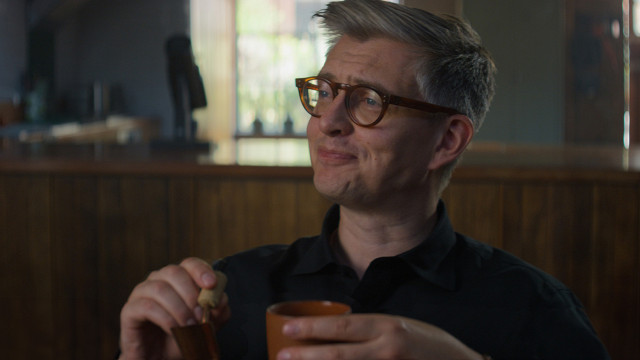
The journey begins with scouting the perfect location, a critical step in the pre-production phase. Understanding the nuances of ambient light, the dynamics of the space, and logistical accessibility sets the stage for a seamless shoot. The choice of location is a delicate balance - it must not only be visually appealing but also resonate with the interview's theme. A well-lit space near a large window can offer a natural, flattering light, particularly when the subject is positioned to benefit from the window's illumination. Spaces with leading lines that subtly direct the viewer's focus towards the interviewee add an extra layer of depth.
Part 2 - Lighting
Three point lighting is often the fundamental way to light interviews and draws many parallels with portrait photography utilizing a key, fill and backlight. The key light, is crucial for drawing attention to the subject and quite often is most flattering when positioning a large soft source to one side of camera while having the subject orientate their shadow side closer to the other. This approach gives a depth to the face as the light models the features and brings the subject to life.
Creating colour contrast in lighting can add depth and interest to the frame. A subject can pop from the background by contrasting the chromatic difference between the two. For example we often like to light the subject slightly warmer than the background to create a perceived depth to the image that you'd also see in natural light.
Part 3 - Camera Position
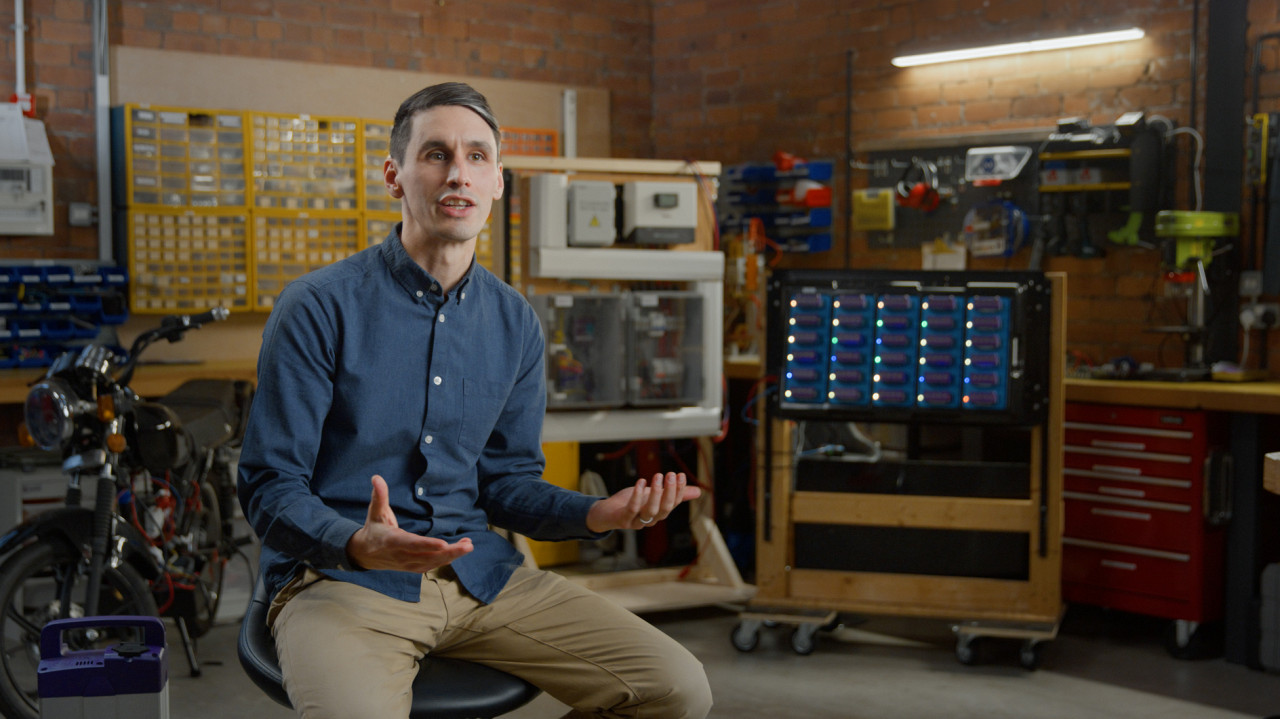
To frame your subject effectively in a video, position them off-center, either on the left or right third of the frame, creating more open space on one side. This positioning offers a visually appealing look. Ensure there's a small gap, about three to four fingers' width, above the head for optimal headroom. Avoid cutting off the top of the head, as this can create a more intense and heavy feel in the shot. Be mindful of showing too much of the subject's lower body, like the lap, as this can make them appear shorter or lost in the frame. Additionally, watch for background elements like plants or beams that might awkwardly appear to emerge from the subject’s head. Paying attention to the subject’s placement in relation to the background is key to a professional-looking shot.
Part 4 - Eyelines
The subject's eyeline is crucial. It's typically positioned just off to one side of the camera, as if the subject is conversing with an off-camera interviewer. This setup, which can be achieved by placing the interviewer near the camera lens, creates a conversational feel for the audience and allows for effective shadow-side key lighting. For documentaries featuring multiple interviewees, alternating their eyelines by changing the interviewer's position relative to the camera can give a cohesive feel, as if the subjects are conversing with each other. However, direct-to-camera eyelines, while impactful, can be challenging for unaccustomed subjects and may lead to nervousness. One way we combat this is with the Eye Direct which uses a large mirror and half-mirror in front of the lens to provide a reflection of the interviewer to the subject, and a mirror reflection of the subject for the interviewer to see.
Part 5 - The 2nd Angle
Having a second camera during interviews is a smart strategy, interviews are almost never scripted so the 2nd angle gives us the ability to edit out any mistakes or shorten dialogue into a more concise version. The way in which we introduce a 2nd angle can vary stylistically but more often than not the one thing that's crucial to maintain is the continuity of the eyeline by not breaking the established 180 degree line.
Part 6 - Pick your Lenses
In the nuanced art of documentary filmmaking, lens choice is crucial, especially during interviews. Zoom lenses are highly favored for their adaptability, allowing filmmakers to make quick, on-the-fly compositional adjustments without interrupting the flow of conversation. On the other hand, some cinematographers prefer prime lenses for their lighter weight and compactness, despite requiring physical repositioning for framing changes. Focal length selection varies widely; wider lenses are chosen for intimacy, while longer lenses are used to compress the background, adding depth to the shot. Each combination of face and focal length has its unique aesthetic, often discovered through experimentation, a process where zoom lenses excel in offering a versatile range of perspectives.
In conclusion, crafting a cinematic interview is an art that combines location, lighting, framing, eyelines, camera angles, and lens choices. Each element, carefully considered and skillfully executed, contributes to elevating the humble interview into a captivating, cinematic experience.