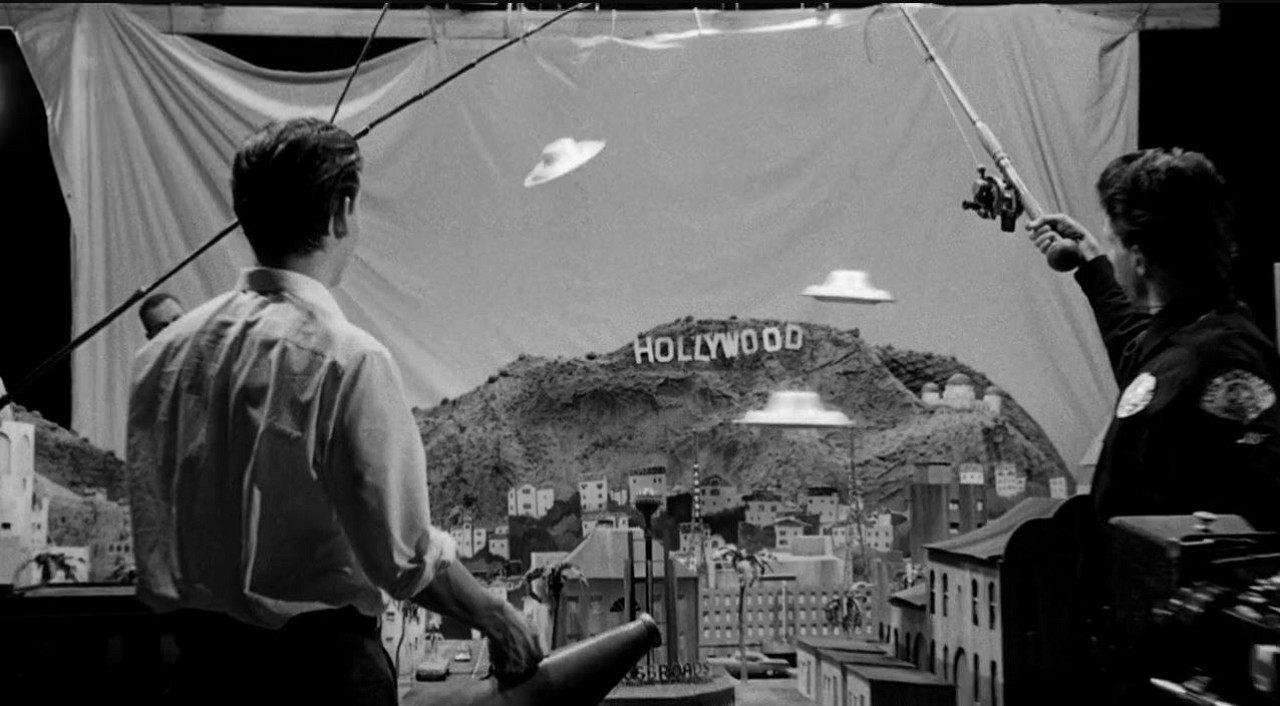
 © Ed Wood | Warner Bros
On Location vs. In-Studio: What’s Best for Your Next Project?

8th August, 2024
A major choice in video production is the setting. The setting can play a crucial role in shaping the narrative and visual impact of a project. Whether it's an industrial quarry, a serene natural environment, or an intricately designed studio set, the setting influences everything from mood and atmosphere to authenticity and character. Selecting the right setting can enhance the overall aesthetic, support storytelling, and significantly affect viewer engagement. Understanding how to leverage both real-world locations and controlled studio environments can elevate your video production project substantially.
Choosing Between Studio and Location
Choosing between shooting on location and in a studio depends on several key factors, including budget, creative goals, and logistical considerations. Each option offers unique benefits and challenges, and sometimes a combination of both may be the best approach. To break it down simply, we have:
Location Shooting
Definition: Filming in a real-world environment outside of a controlled studio setting.
Examples: Urban streets, natural landscapes, homes, offices.
In-Studio Shooting
Definition: Filming within a controlled indoor environment specifically designed for production to build out as needed.
Examples: Soundstages, custom-built sets, Studio cyc
Creative Considerations
On Location
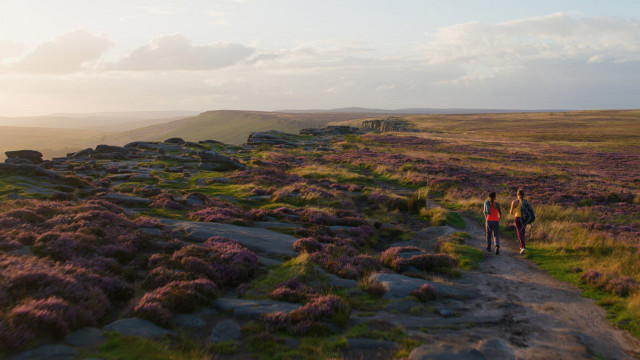
Shooting on location offers rich creative opportunities but also presents unique challenges. Real-world settings provide authenticity and depth, enriching the narrative with genuine textures, colors, and ambient sounds. This authenticity can significantly enhance storytelling and visual impact in ways not always possible in a studio. However, video production on location requires careful planning to address factors like lighting conditions, unpredictable weather (as seen in Terry Gilliam's disastrous first attempt at filming Don Quixote), and logistical issues such as permits and access. Adapting the creative vision to fit the location's characteristics ensures that natural elements contribute positively to the project's overall aesthetic and narrative.
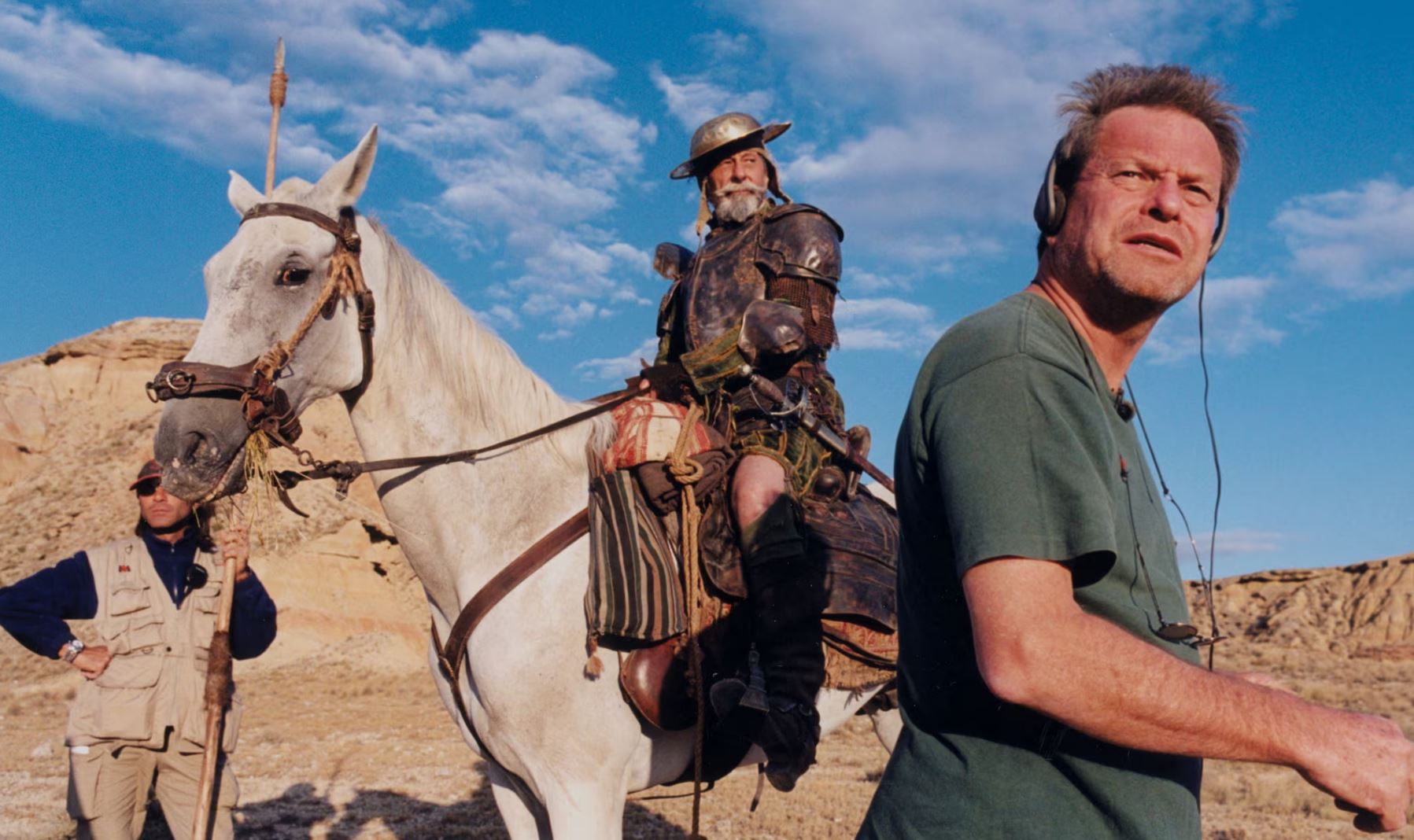
Jean Rochefort and Terry Gilliam | Lost in La Mancha
In-Studio
Shooting in a studio provides unparalleled control over the environment, allowing for precise manipulation of lighting, sound, and set design. This controlled setting helps achieve specific visual effects and maintains consistency throughout the shoot. A great example of this is Stanley Kubrick and Roy Walker's meticulous design of the Overlook Hotel sets from The Shining. They even included deliberate spatial defects, such as impossible windows and doorways, to disorient viewers. However, a disadvantage is that studio shoots can lack the authenticity and texture of real-world locations, potentially limiting the depth and relatability of the visuals. Balancing artificial elements with well-designed sets is essential to create engaging content that resonates with the audience.
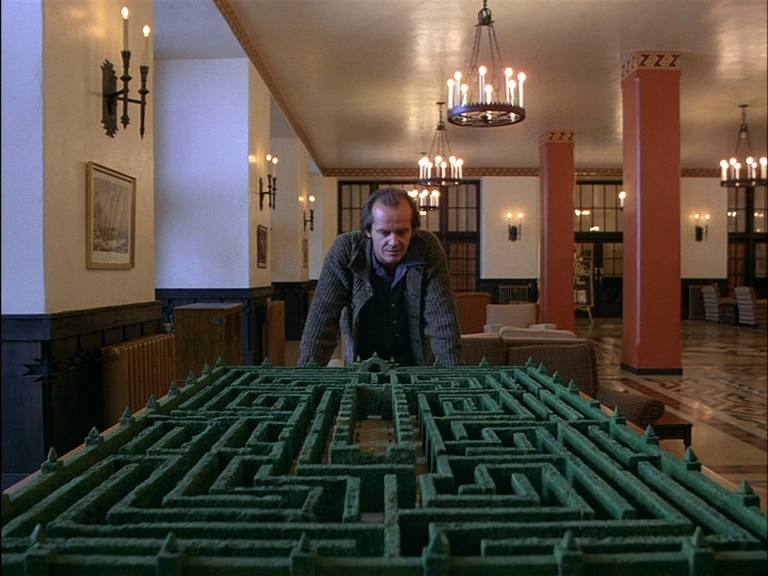
The Shining | Stanley Kubrick
Cost
Hiring a studio for your shoot is like booking an all-inclusive resort—everything you need is right there, from storage space and bathrooms to reliable power and Wi-Fi. Studios often come equipped with essential sound and lighting gear in their built-in grip rooms, and a team is ready to assist with basic technical challenges. On the other hand, filming on location is akin to venturing into the wild. It’s usually less expensive because you leverage the natural beauty of the world as your backdrop, eliminating the need to build elaborate sets. However, just like a trip into the wild, the unexpected can arise. You'll need to handle permits, rent equipment and props, arrange transportation for your crew and gear, and manage additional staff. Despite these potential costs, the thrill of capturing a location's authenticity often makes it worthwhile.
Scheduling
If your video production is on a tight deadline, a studio might be your best bet for a quick turnaround. Studios typically offer easier scheduling and fewer disruptions, as you can sidestep external issues like unpredictable weather or problematic lighting conditions. On the other hand, location shoots often require more time to arrange due to the need for scouting, securing permits, and addressing logistical details. You'll also need to plan for site-specific necessities such as Wi-Fi, parking, makeup areas, and vehicle access—elements that are usually conveniently provided by a studio.
Control
Think about the level of control you want over your video production. Studios give you complete command over lighting and sound, though you’ll have to work within a limited space and fewer shooting angles. If your budget allows, virtual production studios with LED walls offer a game-changing solution. They create immersive backgrounds and simulate diverse locations without needing green screens. This cutting-edge technology, while costly, delivers stunning, atmospheric results, as demonstrated by productions like The Batman.
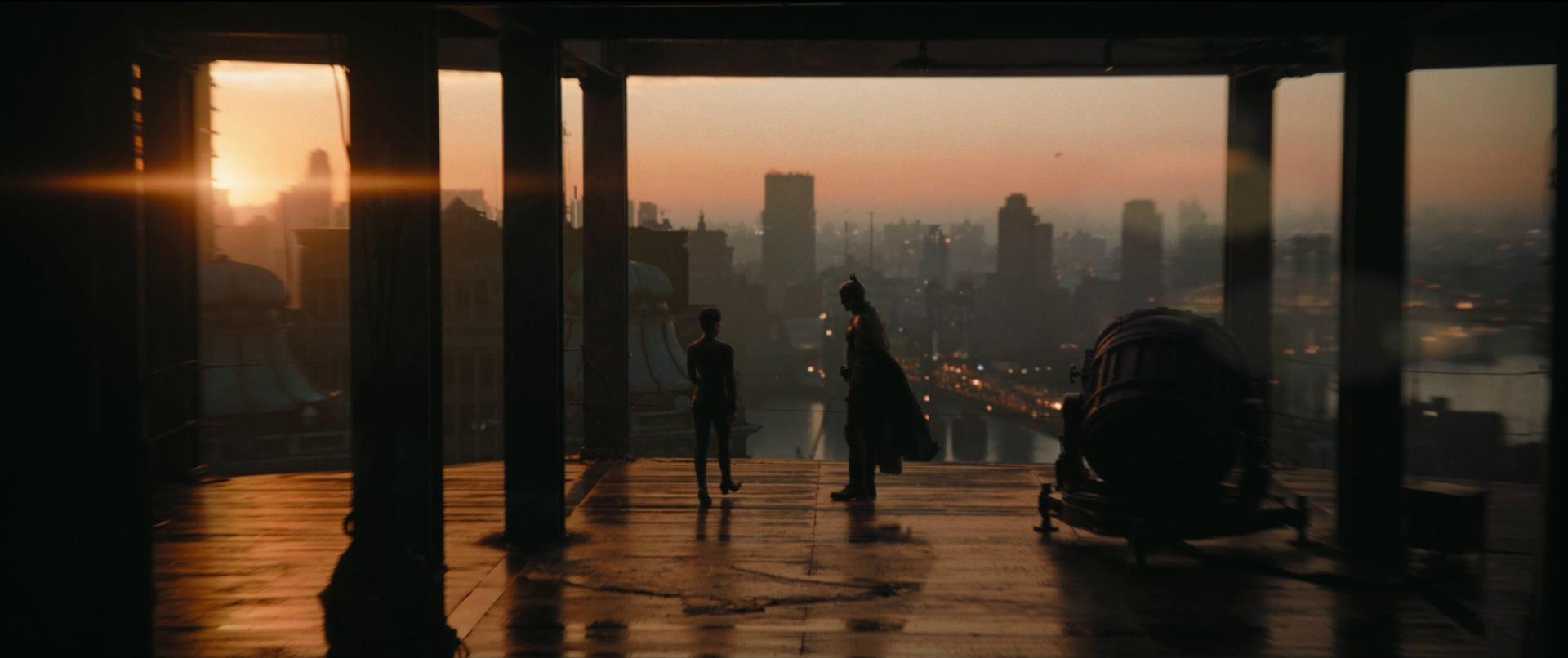
Volume Stage | The Batman
On Location Advantages
Shooting your video production on location provides access to authentic props, architecture, and settings that would be difficult to replicate in a studio. This can add texture and detail to the production and streamline the process.
Real locations often offer stunning and recognizable backdrops that bring immediate familiarity, especially for period pieces or historical films.
Sometimes, shooting on location is a more cost-effective way to work, as using natural light and avoiding set construction can result in quicker turnaround times.
Locations can also inspire and inform the story or creative direction, offering seeds for new ideas that may not have been part of the original design.
On Location Disadvantages
Weather can be a significant challenge when shooting on location, especially in unpredictable climates like the UK. Weather can delay shooting, affect continuity, and, in some cases, halt production entirely.
Most location shoots require permits, which need to be arranged in advance, and securing popular locations may involve competition with other video production teams. Permits can be costly, sometimes reaching thousands of dollars per day.
Limited control over the broader environment means unforeseen issues, like noisy roadworks or public events, can disrupt filming. Remote locations also pose logistical challenges with transporting crew and equipment, necessitating extensive planning to avoid eating into valuable shooting time.
In-Studio Advantages
The studio setting offers complete control over lighting, sound, and the environment, providing a predictable setting unaffected by weather or external disturbances.
Studios are highly flexible and accustomed to accommodating changes to video production schedules, often willing to adapt to production needs.
They are usually located in convenient areas designed for easy access and efficient loading of equipment and props. Built-in facilities and resources often cover the production’s electrical needs, equipment rental, and amenities, making studios a one-stop shop for many projects.
In-Studio Disadvantages
While studios provide control and flexibility, they lack the authenticity of real-world locations. Set designs and props must be meticulously crafted to create believable environments.
Building and maintaining studio sets can be expensive, particularly for large-scale productions or intricate designs, and rental fees can quickly add up.
Working within the confines of a studio can also impose creative limitations, requiring innovative solutions to achieve the desired aesthetic or atmosphere.
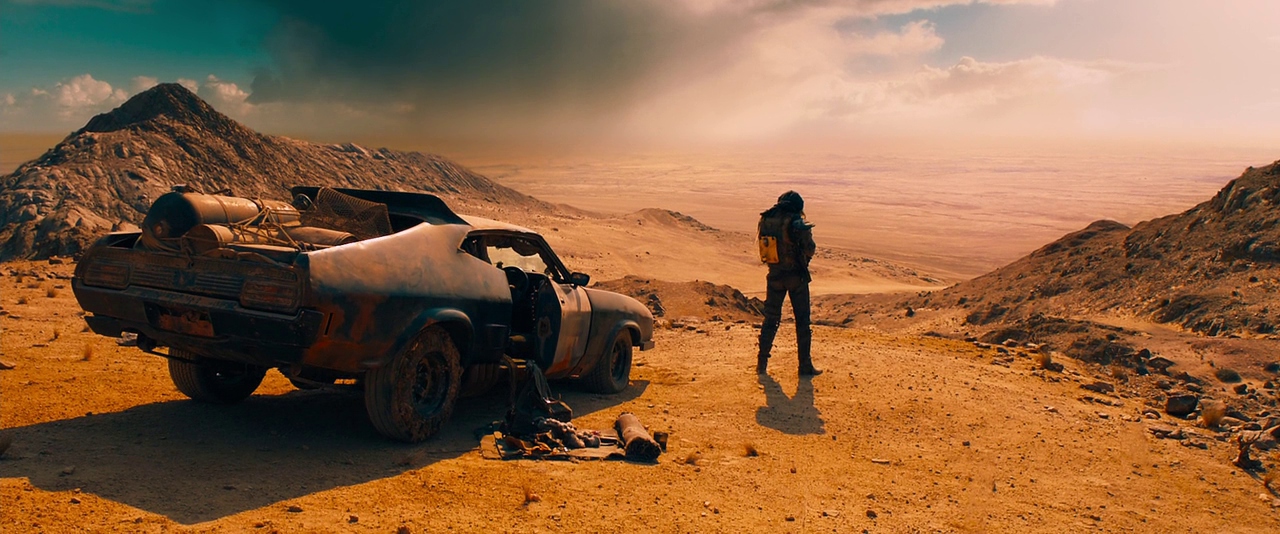
Namibia, South Africa | Mad Max
Wrapping Up
Ultimately, whether you choose to shoot in a studio or on location, each option offers its own unique benefits and challenges. Studios provide a controlled environment, ensuring consistency and precise control over every aspect of the shoot as seen in The Grand Budapest Hotel, where Wes Anderson's meticulous set designs were brought to life within the confines of a studio. On the other hand, shooting on location brings authenticity and a sense of adventure, as seen in Mad Max: Fury Road, where the harsh and expansive desert landscapes added to the film's gritty, immersive feel. The decision between studio and location ultimately depends on your specific needs, creative vision, and budget, each offering distinct opportunities to elevate your project.
Regardless of your choice, Lightmill. is here to offer expert advice, insights, and recommendations to guide your next video production project.